People / Process / Systems / A stronger tomorrow

Office / Services / Fractional CTO / Method
Method
Diagnose. Engineer. Prove.
Every fractional CTO engagement follows the same underlying discipline. First, understand the real problem. Then design the smallest effective change. Finally, prove that it works in the business — not just in a presentation.
01 Diagnose
The problem people describe is not always the problem the business has. A department may ask for more staff when the real issue is poor prioritisation. A sales team may ask for a faster system when the delay is caused by unclear ownership. A production line may appear to have a capacity problem when the constraint is machine setup and changeover.
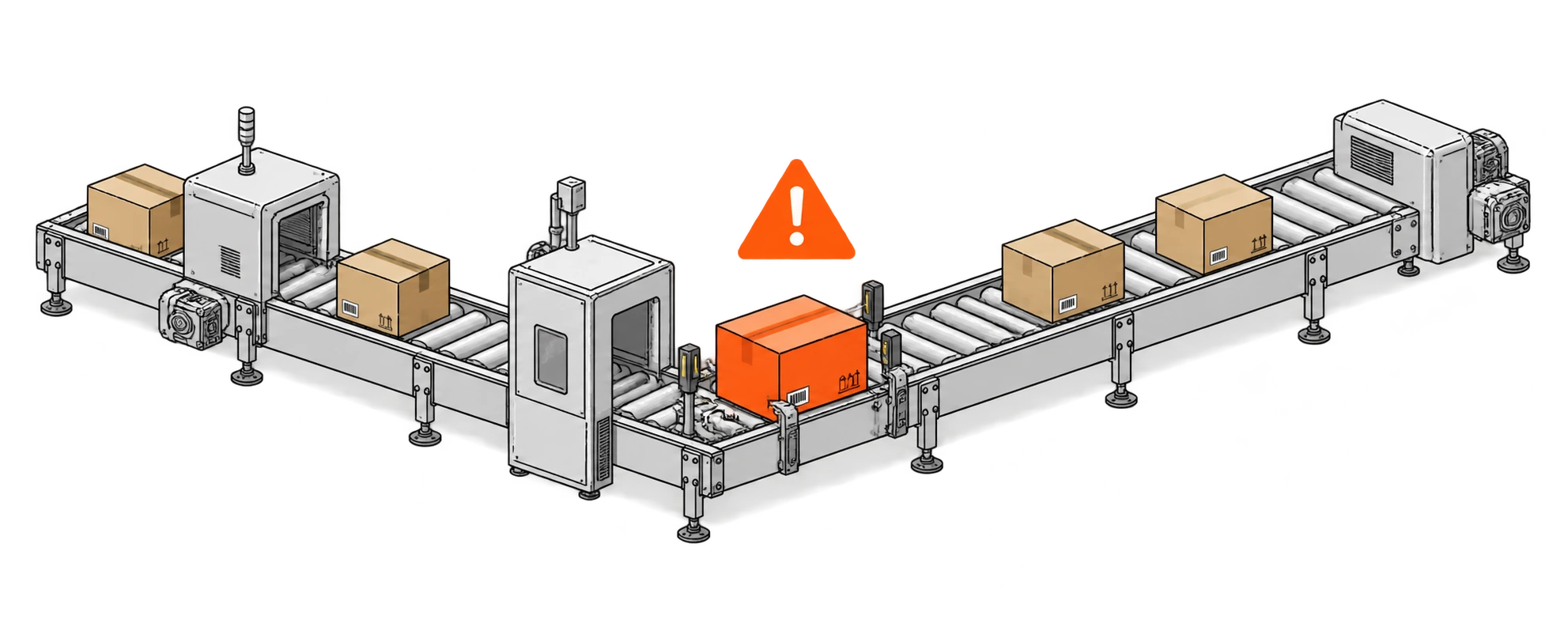
- Speaking to the people closest to the work.
- Following real examples through the business.
- Identifying waiting, repetition and rework.
- Testing assumptions made by management.
- Separating the symptom from the cause.
- Establishing what a useful improvement would look like.
The output is not a large document. It is a clear understanding of what needs to change and why.
02 Engineer
Once the cause is understood, the fix can be designed. The question is not, “Where can we add AI?” The question is, “What needs to happen differently, and what will make that possible?”
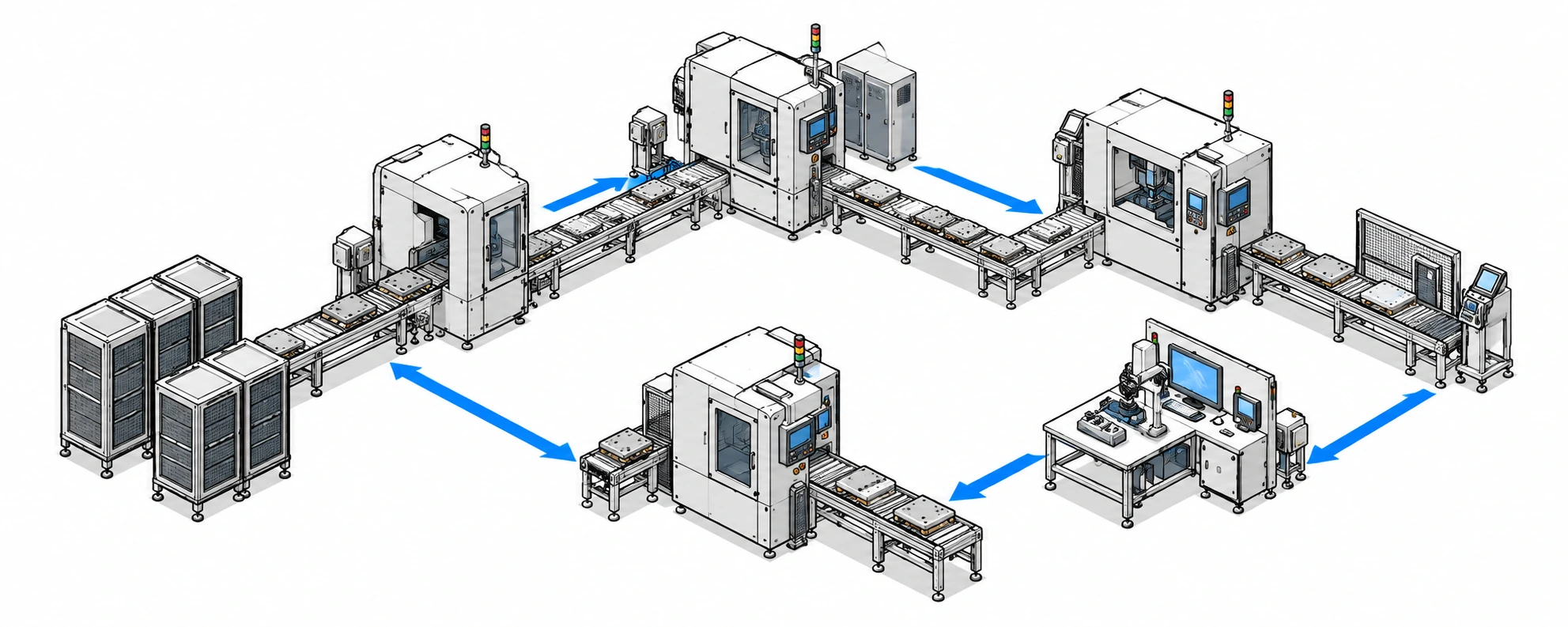
- Changing the sequence of work.
- Giving one person end-to-end ownership.
- Removing an unnecessary handover.
- Standardising information.
- Automating a repetitive task.
- Connecting existing systems.
- Introducing better reporting.
- Building a new service around an overlooked customer need.
- Using AI for a specific task where it is reliable and worthwhile.
Every proposed change should have a reason. That includes the decision to leave something alone.
03 Prove
The change is piloted at a useful scale. A small, controlled test makes it possible to see what works, what needs adjustment and whether the expected result is appearing in real conditions.
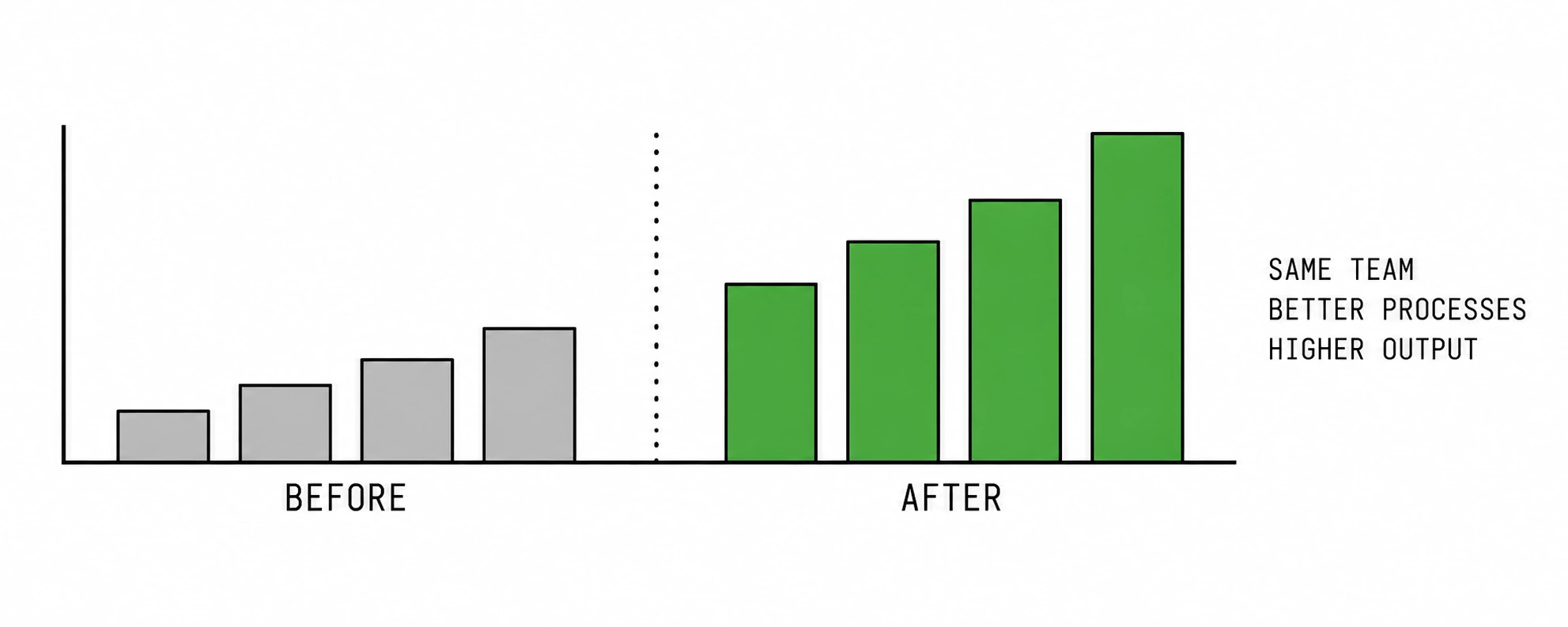
- Time saved.
- Faster quote turnaround.
- Increased production.
- Reduced rework.
- Improved quality.
- More reliable delivery.
- Greater capacity without additional headcount.
- Revenue from a new service.
- Fewer manual interventions.
The aim is not to prove that a presentation is persuasive. It is to prove that the new way of working produces a better result.
Embedded enough to make the change stick
Fractional CTO engagements are part-time and contracted, giving the business access to senior judgement without requiring a full-time CTO appointment.
- Regular time with the owner or board.
- Direct conversations with operational teams.
- Review of live work and performance information.
- Prioritised actions between meetings.
- Practical testing of proposed changes.
- Coordination with internal teams and external suppliers.
- Regular review of the result.
- Training and handover before stepping back.
The exact rhythm depends on the problem. The principle remains the same: stay close enough to the work to understand it, and focused enough to move it forward.
Start with the problem.
A pragmatic conversation about your business, your challenges and what is possible.
Start a conversation →